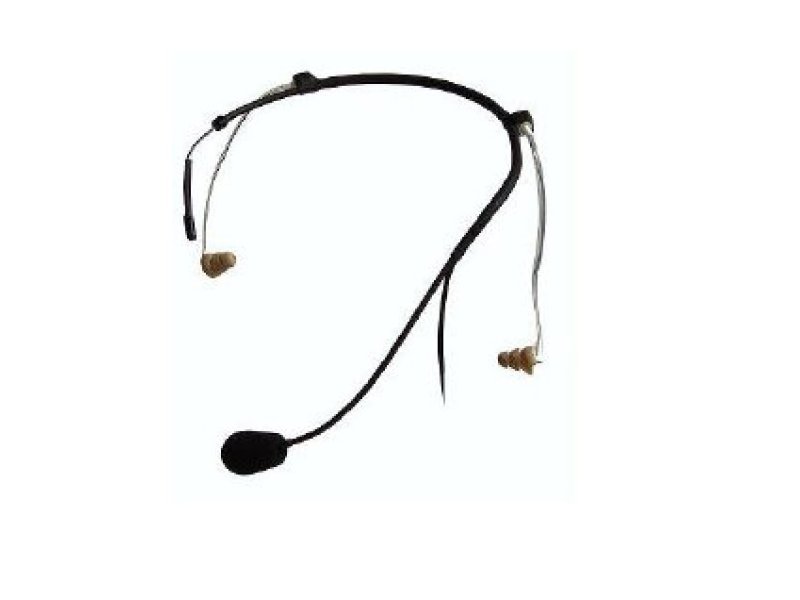
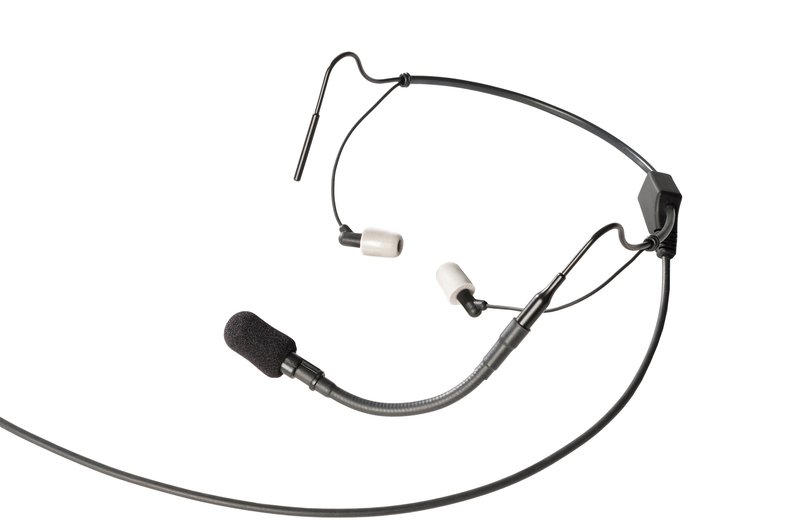
Specs from each maker’s own pages. Maker prices checked Nov 3, 2026; prices change, so use each button for the live price. Neither product uses an Amazon buy button on this page.
Swipe the table sideways to see every column →
Model
Weight (maker)
Noise approach
Batteries
TSO
Bluetooth
Return note
Maker price Nov 3
Where to buy
Clarity Aloft Pro Plus
Under 2 oz on head
Passive tip seal; maker cites 29 to 47 dB with Comply tips
None
Lists TSO (Clarity Aloft)
Not built-in on Pro Plus
30-day money-back note on clarityaloft.com product page; limited 3-year warranty on Clarity headsets
Maker prices when last checked (Nov 3, 2026; confirm live): Clarity Aloft Pro Plus $775.00 on clarityaloft.com. Quiet Technologies listed Halo standard at $375.00 (was $389.00 on that page) and Halo Bluetooth at $485.00 (was $499.00). No Amazon ASIN for Halo is used on this site.
Who should pick which
Pick Clarity Aloft Pro Plus if tip fit works and you want the TSO-listed option of this pair, no batteries and a single Pro Plus SKU from clarityaloft.com.
Pick QT Halo (standard) if tip fit works, TSO is not required for your flying and you want the lower maker list with a 45-day money-back note on the product page.
Pick QT Halo Bluetooth if you want tip-seal plus integrated Bluetooth 5.3 on Quiet Technologies’ separate SKU (USB-C LiPo; Quiet Technologies says radio still works if that battery is depleted).
Noise control: Passive tip seal; product page cites 30 to 45 dB with proper insertion
Bluetooth: Separate Bluetooth Halo SKU (Bluetooth 5.3, LiPo up to 20 hours, USB-C). Standard Halo has none
Power: No batteries on standard Halo. Bluetooth SKU has a built-in LiPo; Quiet Technologies says radio still works if that battery is depleted
Plugs: Standard G.A. dual plug on the product page; Lemo single plug listed as a paid option
TSO: Not TSO certified for Part 121 or 135 (Quiet Technologies product note)
Warranty / return: 45-day money-back guarantee listed on the Halo product page
Listed price when last checked (Nov 3, 2026; confirm live): $375.00 standard (page also showed $389.00 struck through) · $485.00 Bluetooth (page also showed $499.00 struck through) on quiettechnologies.com
Lower maker list than Clarity on Nov 3
Separate Bluetooth Halo SKU if you want tip seal plus phone/music Bluetooth
45-day money-back listed on the product page
Not TSO for Part 121 or 135 per Quiet Technologies
No Amazon ASIN used on this site; buy path is maker-direct
Seal fails if tip fit is wrong; Quiet Technologies warns against the regular mic-gain Halo for ERJ/CRJ (low-gain option is separate)
QT Halo vs Clarity Aloft Pro Plus: which for GA vs a TSO path?
Both are in-ear tip-seal aviation headsets that skip over-ear cups. Clarity Aloft lists the Pro Plus as TSO certified and sells it on clarityaloft.com ($775.00 when last checked Nov 3, 2026; confirm live). Quiet Technologies lists Halo as not TSO certified for Part 121 or 135 and sells the standard Halo at $375.00 and the Bluetooth Halo at $485.00 on quiettechnologies.com when last checked (Nov 3, 2026; confirm live). No Amazon ASIN for Halo is used on this site. For most Part 91 flying either can work if tip fit is good. If an operator later requires TSO, Clarity is the one of these two that lists it.
Does either headset need batteries?
The Clarity Aloft Pro Plus needs no batteries. The standard QT Halo needs no batteries. The separate Bluetooth Halo SKU uses a built-in LiPo battery Quiet Technologies says lasts up to 20 hours between USB-C charges. Quiet Technologies says the headset still works for radio if that battery is depleted.
Which has Bluetooth?
Clarity Aloft Pro Plus has no built-in Bluetooth (Clarity’s Link model does; Pro Plus does not). QT Halo has a separate Bluetooth Halo SKU on quiettechnologies.com; the standard Halo has none.
How light are they?
Clarity Aloft lists the Pro Plus at under 2 oz on the head. Quiet Technologies lists Halo at about 1 oz on its home page. Both figures are maker claims, not a lab compare.
Specs come only from each maker’s own product pages, listed below. Prices come from those maker pages on Nov 3, 2026. This is a spec-based comparison: no hands-on test was done for this page. Tip fit is personal, so use each maker’s return window to try a headset in your own aircraft.